segunda-feira, 4 de julho de 2016

Rio2016: The Olympic Games in Brazil and its succession of errors


 #Rio2016: Os Jogos Olímpicos no Brasil e sua sucessão de erros


Rio2016: The Olympic Games in Brazil and its succession of errors

The IOC holds in his hands the biggest event on the planet. Nothing beats the media interest of the Summer Olympics. When a country decides to run and then hosting the mega event, a number of requirements are required.

Many countries have developed given up Olympic applications against the heavy demands of the IOC. Including much discussion about creating Olympic legacy, spending and high sizes too much even for rich countries.

The few examples of effective success of the Olympic Games - as the case of Barcelona 92, the most famous of them - worked with pre strategic requirements to achieve their high performance.

The equation is complex beyond: Balanced sources of funding between the public sector and the private sector and its proper allocation of resources. Barcelona, ​​for example, had 40% of public resources. 40% of companies and 20% of Olympic background. The investment, today's values, it was amazing 17 billion euros.

The return to the city's economy was almost three times that amount, especially with the induction of different sectors of the economy, major restructuring of the city's infrastructure, especially tourism. The city became completely and definitively positioned with one of the most important tourist destinations in Europe. His increasingly depends on the tourism economy. Without the Games would never have reached such a level.

Barcelona, ​​as well as Sydney, Beijing and London have applied solid concepts to return in his very heavy investment. But to this day no other city has reached the return of the capital of Catalonia.

Brazil decided it would embark on a risky game, host the World Cup in 2014 and the 2016 Olympic Games in Rio de Janeiro.

The bill, everyone knew it would be salty, something well above the R $ 55 billion.
Politicians, sports officials and even the press entered the illusion created we needed and deserved such relevance.

Host major events followed require a serious project, professional, highly oriented to the intelligence of the use of public resources, active participation of the private sector, the idea of ​​the multiplier effect of investment and most importantly, the legacy.

The changes due to the large events can positively change a city and a country or sink it. Unfortunately irresponsibility, superfuramento works, corruption and no respect for public resources simply did not exist in Brazil.

Yes, that word so easily used on the lips of politicians simply become an illusion in the Brazilian project, both the World Cup and the Olympic Games. Unfortunately we are more like South Africa than Germany in the World Cup and we are a Question Greece and not in terms Barcelona Olympics.

Although tourists come to RJ and positively impact the GDP, will be a drop in an ocean of nonsense spending and lack of minimal planning. To make matters worse we have grave news of Brazilian problems. An example, as foreigners watched on TV around the world to drop the bike path of Niemeyer.

The concept of mega events economic impact should always consider their net impact. This means calculating the positive impact of new tourists who came to the event less to come but stopped going.
London, for example, suffered greatly from the loss of tourists not interested in going to the city in the midst of the Games. There gains on one side and the other losses.

The Rio Games, unfortunately, beyond the small economic impact, we well as with the World Cup, a series of white elephants in a country that besides being far from Olympic has a population each day more obese and sedentary, deficits in public accounts and a salt account to pay for all Brazilians, without any return possibility in the long term for the country.

It really is all wrong.

During the 2014 World Cup, our brilliant rulers decided to enact holidays to soften their inability to run the cities during the games. This irresponsible and disconnected decision of the reality of a country with such a strong economy decreed the end of the illusion created by the rulers.

For many large cities worked during the event were enacted holidays. According to the study Fecomercio (Federation of Trade of São Paulo), calculate the real impact of this irresponsibility was R $ 30 billion in the economy and other R $ 40 billion in increased employee costs, overtime.

Yes, they managed to spend even two World Cups in Brazil in losses to the economy. The country declared the beginning of its recessionary and inflationary economic nightmare with the World Cup.

And with the Rio de Janeiro living the biggest crisis in its 451 years of life it seems that history will repeat itself.

The solution found by the Rio de Janeiro state governments was to decree a state of emergency.

Already, the Brazilian Olympic Committee, Dredging million of public funds for years, decided to quietly importing athletes from other countries to try to improve the country's performance in the medals table.

As if the problem were the medals.

Poor Brazil.

#Rio2016: Os Jogos Olímpicos no Brasil e sua sucessão de erros 
 O COI detém em suas mãos o maior evento do planeta. Nada supera o interesse midiático dos Jogos Olímpicos de Verão. Quando um país decide se candidatar e posteriormente ser o anfitrião do megaevento, uma série de exigências são requeridas.

Muitos países desenvolvidos já desistiram de candidaturas olímpicas em função das pesadas exigências do COI. Inclusive muito se discute sobre como criar legados olímpicos, com tamanhos gastos e altos demais até para países muito ricos.

Os poucos exemplos de sucesso efetivo dos Jogos Olímpicos – como o caso de Barcelona 92, o mais famoso deles – trabalharam com pré requisitos estratégicos para atingir sua alta performance.

A equação é para lá de complexa: Equilíbrio nas fontes de financiamento, entre o setor público e a iniciativa privada e sua correta alocação dos recursos. Barcelona, por exemplo, teve 40% dos recursos públicos. 40% de empresas e 20% do fundo olímpico. O investimento, a valores de hoje, foi de incríveis 17 bilhões de euros.

O retorno para a economia da cidade foi quase 3 vezes esse valor, especialmente com a indução de diferentes setores da economia, profunda reestruturação da infraestrutura da cidade, especialmente a turística. A cidade se transformou completamente e se posicionou definitivamente com um dos mais importantes destinos turísticos da Europa. Sua economia cada vez mais depende do turismo. Sem os Jogos jamais teria alcançado tal patamar.

Barcelona, assim como  Sidney, Pequim e Londres aplicaram conceitos sólidos para retornar em muito seu pesado investimento. Mas até hoje nenhuma outra cidade atingiu o retorno da capital da Catalunha.

Brasil decidiu que iria embarcar em um arriscado jogo, sediar a Copa do Mundo de 2014 e os Jogos Olímpicos de 2016 no Rio de Janeiro.

A conta, todos sabiam que seria salgada, algo bem superior aos R$ 55 bilhões.
Políticos, dirigentes esportivos e até parte da imprensa entraram na ilusão criada que precisávamos e merecíamos tal relevância.

Sediar grandes eventos seguidos exigem um projeto sério, profissional, altamente orientado para a inteligência da utilização dos recursos públicos, participação ativa da iniciativa privada, aplicação do conceito de efeito multiplicador dos investimentos e o mais importante, o legado.

As mudanças por conta dos grandes eventos podem mudar positivamente uma cidade e um país ou afundá-lo. Infelizmente a irresponsabilidade, superfuramento de obras, corrupção e nenhum respeito aos recursos públicos simplesmente não existiram no Brasil.

Sim, essa palavra tão facilmente utilizada na boca de políticos simplesmente virou uma ilusão no projeto brasileiro, tanto da Copa como dos Jogos Olímpicos. Infelizmente estamos mais parecidos com a África do Sul do que Alemanha no quesito Copa do Mundo e somos uma Grécia e não Barcelona em termos de Jogos Olímpicos.

Ainda que os turistas venham ao RJ e impactem positivamente o PiB, será uma gota em um oceano de gastos absurdos e falta de um mínimo de planejamento. Para piorar temos notícias graves dos problemas brasileiros . Um exemplo, como os estrangeiros assistiram pela TV em todo o mundo a queda da ciclovia da Niemeyer.

O conceito de impacto econômico de megaeventos deve sempre considerar seu impacto líquido. Isso significa calcular o impacto positivo dos novos turistas que vieram para o evento menos os que viriam mas deixaram de ir.
Londres, por exemplo, sofreu muito com a perda de turistas que não se interessaram em ir à cidade em meio aos Jogos. Houve ganhos de um lado e perdas do outro.

Os Jogos do Rio, infelizmente, além do pequeno impacto econômico, teremos assim como ocorreu com a Copa, uma série de elefantes brancos num país que além de estar longe de ser olímpico tem uma população cada dia mais obesa e sedentária, déficits nas contas públicas e uma salgada conta para pagar por todos os brasileiros, sem nenhuma possibilidade de retorno no longo prazo para o país.

Realmente está tudo errado.

Durante a Copa de 2014, nossos geniais governantes decidiram decretar feriados para amenizar sua incapacidade de fazer funcionar as cidades durante os jogos. Essa decisão irresponsável e desconectada da realidade de um país com uma economia tão pujante decretou o fim da ilusão criada pelos governantes.

Para que muitas grandes metrópoles funcionassem durante o evento foram decretados feriados. Segundo o estudo da Fecomercio (Federação do Comércio de São Paulo), o cálculo do real impacto dessa irresponsabilidade foi de R$ 30 bilhões na economia e outros R$ 40 bilhões em aumento dos custos de empregados, com horas extras.

Sim, conseguiram gastar o mesmo que duas Copas do Mundo do Brasil em perdas para a economia. O país decretou o início de seu pesadelo econômico recessivo e inflacionário com a Copa.

E com o Rio de Janeiro vivendo a maior crise em seus 451 anos de vida parece que a história se repetirá.

A solução encontrada pelos governantes fluminenses foi decretar estado de calamidade pública.

Já, o Comitê Olímpico Brasileiro, que draga milhões de recursos públicos há anos, decidiu sem alarde  importar atletas de outras nacionalidades para tentar melhorar o desempenho do país no quadro de medalhas.

Como se o problema fossem as medalhas.

Pobre Brasil.

sexta-feira, 1 de julho de 2016

Rio 2016: German TV station has stolen equipment Material taken by thieves


Equipment of a German TV station were stolen on the morning of Friday, in Rio de Janeiro. The objects, which would be used to cover the Olympics in August, was in two containers intercepted by thieves in Brazil Avenue, in downtown Rio. The station ARD / ZDF reported that the stolen equipment costing about 400,000 euros (1.4 million reais). The military police found in the late afternoon, in Mauá, Magé district (metropolitan region of Rio), containers with intact equipment. No one was arrested.

"The unknown assailants attacked the truck with containers on the way from the port to the Olympic Park. The driver was not hurt. So far there is no trace of the vehicle and load. The GPS system was apparently disabled or destroyed," the station.

On 19 June, the Australian Paralympic athlete sailing and basketball, Liesl Tesch and the physio team, Sarah Ross, were robbed at gunpoint in Rio. The robbers took their bikes. The appearance of a dismembered body on Copacabana Beach on Wednesday, near the beach volleyball arena, also frightened the international press.
Google Tradutor para empresas:Google Toolkit de tradução para appsTradutor de sitesGlobal Market Finder
Sobre o Google TradutorComunidadeCelularSobre o GooglePrivacidade e TermosAjudaEnviar feedback


Zika virus
The Aedes aegypti mosquito is, so far, the greatest enemy of Rio-2016. In January, the World Health Organization (WHO) issued a warning about the "explosive" epidemic zika virus in the Americas, especially in Brazil, which caused panic in the international press, particularly for its connection with the cases of microcephaly. The IOC quickly issued a letter of recommendations to athletes, alerts and prevention methods, but kept the thesis that Rio will be safe during the Games. Mayor Eduardo Paes also tried to disassociate the epidemic to the Olympic Games, but some federations and athletes threatened not to come to Rio for fear of zika. The Brazil Olympic Committee (COB) tried to calm tempers, but also called for more long-sleeved uniform and recommended the use of repellents and air conditioning in rooms.


Terrorism

The risk of terrorist attacks is a major concern of the International Olympic Committee since the Munich-1972 massacre, when Israel accommodation in the Olympic Village was invaded by Palestinian terrorists from the Black September group, in an attack that killed 11 Israelis, between athletes and coaches. Since then, the Olympics is synonymous with safety by obsession with battalions of soldiers and police in greater numbers to the athletes. Although Brazil is not a traditionally targeted by terrorist country, followed by the Islamic State attacks, one at a sporting event (a friendly between France and Germany, in Paris, in the tragic November 13, 2015 in the French capital), called further warning. Earlier this month, the Brazilian Intelligence Agency (Abin) confirmed the publication of a direct threat to Brazil published in November last year in a Twitter account linked to a member of the terrorist group EI. In the face of danger, the military rose to 704 million reais investment in security, including training, purchase specialized equipment and funding the troops. According to the security plan for the Games, 85,000 men - and 47,000 security, civil defense and urban planning and 38,000 armed forces - were summoned to ensure peace in the event.


Political and economic crisis

Some consider that the political crisis which culminated in the approval of the progress of the impeachment of President Dilma Rousseff in the House of Representatives has even helped the Olympics in Rio because of possible problems overshadow the organization of the Games. However, the chaotic situation of the country has been widely discussed by sports officials for structural and safety issues. The Rio-2016 the organization had to reduce by at least 900 million reais budget as a result of the economic crisis in the country, which generated a "slap on the wrist" IOC in relation to the structure that will be delivered. There is also the fear that possible political demonstrations near the stadiums or gymnasiums hinder the progress of the game, as occurred in the Cup of Confederations 2013. In the Olympic torch lighting ceremony in Greece, the IOC President Thomas Bach, tried appease the mood by saying that "despite the difficulties facing the country, the event will bring a message of hope to every corner of its territory." Carlos Arthur Nuzman, President of COB, also insisted on a marriage speech during the most important sporting event in the world.


Pollution in Guanabara Bay

One of the great defeats of the organization of the Rio Games was not the fulfillment of the promise to clean up the Guanabara Bay in up to 80%. Dirt waters that receive the Games received criticism from the international press heavy. It was contemplated, including the possibility of Búzios, in the region of Lagos, get the sailing events, in place of the Guanabara Bay, but the organization played the initial project. In July last year, came the hardest blow: the Associated Press released a detailed study that revealed high presence of viruses known to cause stomach ailments, respiratory and other, including acute diarrhea and vomiting, the Guanabara Bay waters and Lagoa Rodrigo de Freitas. Shortly after, during test events at the local, foreign athletes reported discomfort and health problems caused by water pollution. The organization of the Games admits that the conditions are not the ideas, but ensure that there will be no major risks to the health of athletes.


Security and structure

A great experience lived in Rio de Janeiro during the World Cup, with the city party and no serious recorded incident served as a good omen, despite all the history of violence in the most tourist city of Brazil. Last year, however, a new wave of insecurity, cases of deaths of cyclists by stabbing in areas of the city, returned to scare the organization. The deployments program of Pacifying Police Units in the favelas (UPP), created in 2008 to pacify the favelas of Rio, has been deteriorating since 2013. As SEE revealed, will not be implanted new UPP in 2016 and violence in the poorest areas of the city ​​again became a concern. Recently, the Australian federation has banned its athletes to visit slums during the Games. The last major blow to the image of the city was the accident on the bike path Tim Maia, the Niemeyer Avenue, which collapsed due to the undertow of Sao Conrado, killing two people.

sábado, 25 de junho de 2016

SIMPÓSIO DINÂMICA DE MARKETING ESPORTIVO FACULDADES INTEGRADAS DE JACAREPAGUA


O Simpósio será realizado na FIJ - Faculdades Integradas Jacarepaguá.

Endereço: Ladeira da Freguesia, 196 - Freguesia (Jacarepaguá), Rio de Janeiro - RJ

Data: 02/07/16. (Sábado)

Horário: 9h às 17h.
Investimento: R$ 247,50

Para as compras por cartão de crédito, são aceitas as seguintes bandeiras: Visa, MasterCard, American

Express, Diners e Hipercard.


CLIQUE AQUI PARA SE INSCREVER


A passagem dos Jogos Olímpicos pelo Rio de Janeiro mostra que, cada vez mais, o esporte no Brasil necessita de profissionais qualificados para gerirem entidades, clubes, equipes e projetos esportivos e, por esta razão, a Dinâmica Empreendimentos Educacionais e Esportivos e a FIJ – Faculdades Integradas de Jacarepaguá, trazem para a cidade mais icônica do Brasil, o 1º Seminário Dinâmica de Marketing Esportivo.


Neste momento de grandes transformações estruturais, sociais e culturais no Brasil, este seminário apresenta novos conceitos e ideias, tendo o esporte como mola propulsora de transformação social.

O 1º Seminário Dinâmica de Marketing Esportivo apresentará temas como:
Negócios.
Formação de cidadãos.
Processo histórico.
Desenvolvimento da sociedade
Jogos Olímpicos 2016.

Nessa edição do Seminário Dinâmica de Marketing Esportivo participa grandes referências no Marketing Esportivo Brasileiro, com vivências e atuações no meio esportivo, que apresentarão temas incitando a reflexão quanto ao futuro do esporte nacional.


MARCELO KIELING - “Marketing, Negócios do Esporte e Relações do Mercado”.


Jornalista, Publicitário, Bacharel em Ciências Contábeis, com especializações e Pós graduação em Marketing Estratégico e administração. Atualmente responde pela Direção Comercial do Jornal A Voz da Cidade e do DataVoz - Instituto de Inteligência Estratégica.

WAGNER COE – “Esporte Como ferramenta Pública de Socialização e Desenvolvimento, A importância do Esporte para a Gestão Pública e a Relevância do Esporte na formação da Juventude”.


Professor Universitário, Sub Secretário de Esportes do Município do Rio de Janeiro, Advogado, foi Diretor Técnico da Secretaria Municipal de Esportes e Lazer (SMEL), Presidente do Clube da Light, Presidente da Federação de Vôlei Master do Rio de Janeiro.

FRED MOURÃO - "Marketing no Esporte: Estrutura, Branding, Captação e Fidelização".


Formado em Marketing na UCSD, Gestão de Negócios no Ibmec, Gestão de Futebol na CBF, Administração e Economia na UERJ, com passagens como Executivo de Marketing no CRFlamengo - responsável pelo projeto Sócio Torcedor e eventos como aniversário de 60 anos do Zico e posteriormente do Júnior - Gerente Regional Brasil da SKY; Executivo na Tyson Foods/Macedo, NET, TVA e Meridien, Palestrante para o Sebrae, Accor, Lee Hatch Harrisson/DBM; e, atualmente, Coordenador, Orientador e Professor do MBA em Gestão e Marketing Esportivo da Trevisan Escola de Negócios.


JOSÉ PAULO NEVES – “Marketing Pessoal na Educação Física”.

Profissional de Educação Física, Diretor e Conselheiro do Conselho Regional de Educação Física do Rio de Janeiro, Membro da Câmara Técnica de Educação Física Escolar, Mestre em Ciências da Motricidade Humana, Professor da Rede Estadual e Municipal do Rio de Janeiro, Pós Graduado em Gestão e Marketing, Gestão de Projetos e Mestre em Ciências da Motricidade Humana.

FABIO TUBINO – “Os Jogos Olímpicos no Brasil. A importância para o esporte e seu legado Social”.

Jornalista e Professor, Mestre em História, memória social e documento pela Uni Rio, Pós graduação em marketing e Administração Esportiva e Gestão de Eventos. Autor do Dicionário Tubino do Esporte.


quinta-feira, 23 de junho de 2016

Olympic medalists criticize dirt and expose chaos in Rio-2016 arena - Medalhistas olímpicas criticam sujeira e expõem caos em arena da Rio-2016


Satiro Sodré/ SSPress/CBDA


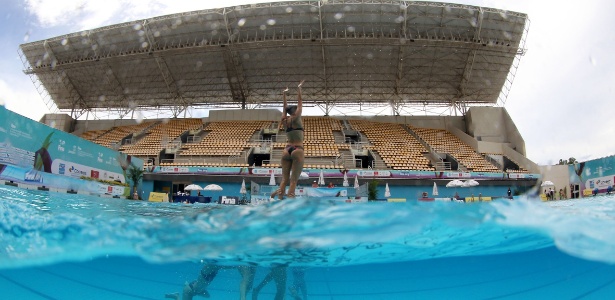
A menos de cinco meses do início das Olimpíadas de 2016, que serão realizadas no Rio de Janeiro, uma arena que receberá competições de três modalidades durante os Jogos virou motivo de crise. As espanholas Gemma Mengual e Ona Carbonell, ambas medalhistas olímpicas, reclamaram de sujeira e criticaram a estrutura que encontraram no Parque Aquático Maria Lenk para o evento-teste do nado sincronizado, que começou no dia 2 de março e vai até o dia 6. Com isso, escancararam o quanto o equipamento se transformou em problema para a Rio-2016.

“Nós falamos sobre isso ontem [quarta-feira] e nada mudou desde então. Os vestiários estão sujos, assim como o fundo da piscina”, avaliou Ona, 25, medalhista de prata no dueto dos Jogos de Londres-2012. “O piso na área de competição está um pouco escorregadio”, completou Gemma, 38, dona de duas de Pequim-2008 (dueto e equipes).

As espanholas treinam juntas desde 2015 e conquistaram o ouro no dueto do evento-teste do nado sincronizado para a Rio-2016 e já estão classificadas para os Jogos. A despeito das críticas, ambas elogiaram a estrutura do Maria Lenk. “É uma piscina boa, de primeiro nível, com tudo que precisamos”, disse Ona.

Segundo o Comitê Organizador Rio-2016, a responsabilidade sobre o Maria Lenk no evento-teste é da CBDA (Confederação Brasileira de Desportos Aquáticos) e da Fina (Federação Internacional de Natação), que são as organizadoras da competição – o torneio serve como classificatório para os Jogos.

“É um evento-teste. A gente fez com alguma dificuldade de orçamento, mas para os Jogos essas questões vão ser repensadas”, disse Ricardo Prado, ex-nadador e gerente-geral de esportes aquáticos da Rio-2016.

No entanto, alguns dos pontos levantados por elas são problemáticos além do evento-teste. O principal deles é o piso da área de competição: não há orçamento ou prazo para troca dos azulejos, e o espaço será apenas coberto por uma espécie de carpete para os Jogos.

Construído para os Jogos Pan-Americanos de 2007, o Maria Lenk custou R$ 85 milhões e foi cedido ao COB (Comitê Olímpico do Brasil) no ano seguinte. Em 2014, foi fechado para uma reforma que custou R$ 21,4 milhões aos cofres municipais.

A intervenção teve como principais focos a área de aquecimento seco e a piscina de treinamento, que foi inteiramente reformada. Contudo, isso não encerrou os problemas do aparato para os Jogos Olímpicos.

Como o Júlio Delamare, que originalmente seria palco do polo aquático, foi excluído da lista de instalações olímpicas, o Maria Lenk teve de acomodar a primeira fase da modalidade – o espaço já receberia saltos ornamentais e nado sincronizado.

Na negociação para que o Maria Lenk tivesse os três esportes, a Fina exigiu uma segunda piscina de aquecimento para o polo aquático. Como não havia orçamento para isso, os responsáveis pelos Jogos aproveitaram um tanque que seria instalado no Parque dos Atletas. Ainda não há licitação ou prazo para instalação do aparato temporário – toda a operação de compra, montagem e desmontagem de três piscinas para o local custará algo entre R$ 23 milhões e R$ 24 milhões.


Satiro Sodré/ SSPress/CBDA

Olympic medalists criticize dirt and expose chaos in Rio-2016 arena


Within five months of the start of the 2016 Olympics, to be held in Rio de Janeiro, an arena that receive competitions three disciplines during the Games turned crisis reason. The Spanish Gemma Mengual and Ona Carbonell, both Olympic medalists, complained of dirt and criticized the structure found in the Maria Lenk Aquatic Park for the synchronized swimming test event, which began on March 2 and runs until 6. With this, burst open as the equipment became a problem for the Rio-2016.

"We talked about this yesterday [Wednesday] and nothing has changed since then. The changing rooms are dirty, as well as the bottom of the pool, "said Ona, 25, silver medalist in duet of London 2012 Games. "The floor in the area is a bit slippery," added Gemma, 38, owner of two Beijing 2008 (duet and team).

The Spanish train together since 2015 and won gold in the synchronized swimming duet event test for Rio-2016 and are already qualified for the Games. Despite the criticism, both praised the structure of the Maria Lenk. "It's a good pool of first level, with everything we need," Ona said.

According to the Rio 2016 Organizing Committee, the responsibility for the Maria Lenk in the test event is the CBDA (Brazilian Aquatic Sports Confederation) and FINA (International Swimming Federation), who are the organizers of the competition - the tournament serves as qualifying for the Games.

"It is a test event. We made some difficult budget but for the Games these issues will be rethought, "said Ricardo Prado, former swimmer and general manager for water sports Rio-2016.

However, some of the points raised by them are problematic beyond the test event. The main one is the floor of the competition area: no budget or deadline for return of the tiles, and the space will be covered only by a kind of carpet for the Games.

Built for the Pan American Games in 2007, the Maria Lenk cost R $ 85 million and was assigned to the COB (Brazil Olympic Committee) the following year. In 2014 it was closed for a renovation that cost R $ 21.4 million to municipal coffers.

The intervention had as main focuses dry heating area and the pool training, which was entirely renovated. However, this did not end the apparatus of the problems for the Olympic Games.

As Julio Delamare, which originally would stage water polo was excluded from the list of Olympic facilities, the Maria Lenk had to accommodate the first phase of the sport - the space already receive diving and synchronized swimming.

In negotiating for the Maria Lenk had three sports, Fina required a second pool heating for water polo. As there was no budget for it, those responsible for the Games took a tank that would be installed in the Athletes Park. No bidding or deadline for installation of temporary apparatus - the entire purchase transaction, assembly and disassembly of three pools for the site will cost something between R $ 23 million and R $ 24 million

sábado, 18 de junho de 2016

Rio declares state of emergency - RIo declara Estado de Calamidade Pública


O artigo 3º prevê que “as autoridades competentes editarão os atos normativos necessários à regulamentação do estado de calamidade pública para a realização dos Jogos Olímpicos e Paralímpicos Rio 2016”.

Por fim, o artigo 4º determina que o decreto entrará em vigor na data de sua publicação, ou seja, nesta sexta-feira.

Para justificar a medida, o governo estadual elencou oito itens: “a grave crise econômica que assola o Estado do Rio de Janeiro”; “a queda na arrecadação, principalmente a observada no ICMS e nos royalties e participações especiais do petróleo”; “os esforços de reprogramação financeira já empreendidos para ajustar as contas estaduais”; “que a crise vem impedindo o Estado do Rio de honrar seus compromissos para a realização dos Jogos Olímpicos e Paralímpicos”; “que tal fato vem acarretando severas dificuldades na prestação dos serviços públicos essenciais e pode ocasionar ainda o total colapso na segurança pública, na saúde, na educação, na mobilidade e na gestão ambiental”; “que a interrupção da prestação de serviços públicos essenciais afeta sobremaneira a população”; “que já nesse mês de junho as delegações estrangeiras começam a chegar na cidade do Rio, a fim de permitir a aclimatação dos atletas para a competição que se inicia no dia 5 de agosto”; e que “os eventos possuem importância e repercussão mundial, onde qualquer desestabilização institucional implicará um risco à imagem do país de dificílima recuperação”.

Os governos federal e estadual estudam desde a semana passada uma saída legal para que a União preste socorro financeiro emergencial ao Rio de Janeiro, a fim de garantir recursos ainda pendentes para a Olimpíada, além do dinheiro para pagar salários atrasados de servidores.

Na noite desta quinta-feira, 16, Dornelles reuniu-se com o presidente da República em exercício, Michel Temer (PMDB), o ministro da Fazenda, Henrique Meirelles, e a secretária do Tesouro Nacional, Ana Paula Vescovi, em jantar no Palácio do Jaburu, em Brasília. Estavam presentes também o prefeito Eduardo Paes (PMDB) e o presidente da Assembleia Legislativa e do PMDB-RJ, Jorge Picciani. Estava em estudo a edição de duas medidas provisórias para permitir a liberação de recursos da União para o Estado, que pleiteia R$ 3 bilhões em verba federal.

Além do pagamento de salários de funcionários públicos, os recursos serão usados para pagar benefícios de policiais militares, como o Regime Adicional de Serviço (RAS), e para a conclusão da linha 4 do metrô, que fará a ligação entre Barra da Tijuca (zona oeste) e Ipanema (zona sul). O governo planejava usar como argumento para as duas medidas provisórias a situação crítica das finanças do Estado, agora explicitada com a decretação do estado de calamidade pública no setor. As MPs seriam usadas porque têm efeito imediato e já passam a vigorar enquanto tramitam no Congresso.

Salários atrasados. Neste mês de junho o governo do Rio voltou a atrasar o pagamento de salários dos servidores ativos, inativos e pensionistas do Poder Executivo. Sem dinheiro em caixa para pagar integralmente os vencimentos de maio, o Estado anunciou que quitaria apenas 70% da folha de pagamento no último dia 14, com desembolso de R$ 1,1 bilhão.

O atraso atinge 393.143 mil servidores. Apenas os 85.737 funcionários ativos da secretaria de Educação receberam integralmente no dia 14. Até agora não há data para pagar o valor restante – o governo fluminense anunciou que a data seria informada nesta semana.

O Estado do Rio definiu uma conta para o cálculo da primeira parcela de cada servidor. Foi decidido que os trabalhadores receberão no dia 14 R$ 1.000 mais 50% da diferença entre o valor líquido do seu vencimento e a parcela de R$ 1.000. Um servidor que recebe, por exemplo, R$ 4.000 líquidos, terá depositados R$ 1.000 mais R$ 1.500 (valor corresponde à metade da diferença entre R$ 4.000 e R$ 1.000).

Os servidores ativos da Educação serão pagos com recursos do Fundo de Manutenção e Desenvolvimento da Educação Básica (Fundeb), que, de acordo com o governo estadual, podem ser destinados apenas aos servidores da ativa.

Não é a primeira vez que o Estado do Rio atrasa o pagamento dos servidores. Em abril decidiu postergar para maio o pagamento dos vencimentos de março de parte dos servidores aposentados e pensionistas. Em ação movida pela Defensoria Pública, o Tribunal de Justiça do Rio de Janeiro (TJ-RJ) bloqueou R$ 649 milhões de contas bancárias do Estado para regularizar esse pagamento.

Os vencimentos foram pagos, mas o governo recorreu ao Supremo Tribunal Federal (STF), alegando que os recursos depositados nas contas eram oriundos de financiamentos para investimentos e não poderiam, por lei, ser usados para pagar folha de pessoal.


 The 49 days of the Olympic Games, the state government of Rio de Janeiro declared a state of emergency on Friday, 17, in the State Gazette. The text signed by the governor, Francisco Dornelles (PP), pointed to "serious financial crisis in the state of Rio de Janeiro, which prevents the fulfillment of the obligations as a result of the Olympic and Paralympic Games Rio 2016".


The government also argues that the economic crisis "has been causing severe difficulties in providing public services, health, education, mobility and environmental management." Until 17 pm this Friday, the government's advisory did not detail the practical consequences of this measure.

By Article 2 of the decree, the competent authorities are authorized to "adopt exceptional measures necessary for the rationalization of all essential public services" for the realization of the Rio Olympics.

Dornelles. Photo: Disclosure
Francisco Dornelles. Photo: Disclosure
Article 3 provides that "the competent authorities shall issue the normative acts needed to the regulation of public emergency status for the Olympic and Paralympic Games Rio 2016".

Finally, Article 4 provides that the decree will enter into force on the date of its publication, ie on Friday.

To justify the measure, the state government has listed eight items, "the serious economic crisis in the state of Rio de Janeiro"; "The drop in revenues, mainly observed in the VAT and royalties and special oil interests"; "Financial reprogramming efforts already undertaken to adjust the state accounts"; "The crisis has prevented the state of Rio to honor its commitments to the Olympic and Paralympic Games"; "That this fact has been causing severe difficulties in the provision of essential public services and can even cause a total breakdown in public security, health, education, mobility and environmental management"; "The interruption of the provision of essential public services greatly affects the population"; "Already this June foreign delegations begin arriving in Rio in order to allow for acclimatization of athletes for the competition which starts on August 5"; and that "the events have importance and worldwide impact, where any institutional destabilization imply a risk to the country's most difficult recovery image."

The federal and state governments are studying since last week a legal outlet for the Union to provide emergency financial aid to Rio de Janeiro in order to ensure outstanding resources for the Olympics, plus the money to pay back wages servers.

On the evening of Thursday, 16 Dornelles met with the president in office, Michel Temer (PMDB), the Finance Minister, Henrique Meirelles, and the secretary of the Treasury, Ana Paula Vescovi, dinner at the Palace Jaburu in Brasilia. Also present were Mayor Eduardo Paes (PMDB) and the President of the Legislative Assembly and the PMDB-RJ, Jorge Picciani. I was studying the issue of two provisional measures to allow the release of federal funds to the state, which pleads R $ 3 billion in federal funding.

In addition to the payment of civil servants salaries, the funds will be used to pay benefits to military police, as the Additional Board Service (RAS), and the completion of the metro line 4, which will connect Barra da Tijuca (zone west) and Ipanema (south zone). The government planned to use as an argument for the two provisional measures the critical situation of state finances, now spelled with the decreeing of state of public calamity in the sector. MPs would be used because they have immediate effect and has become effective as proceed through the Congress.

back pay. In June the government of Rio returned to delay the payment of salaries of active employees, retirees and pensioners of the Executive Branch. No cash on hand to pay off the salaries of May, the state announced that quitaria only 70% of payroll in the last 14, with disbursement of R $ 1.1 billion.

The delay reaches 393,143,000 servers. Only 85,737 active employees of Education department received full on day 14. So far there is no date to pay the remaining amount - the Rio de Janeiro state government announced that the date would be informed this week.

The Rio government set up an account for the calculation of the first installment of each server. It was decided that the workers will receive on 14 R $ 1,000 plus 50% of the difference between the net value of their maturity and the amount of R $ 1,000. A server that receives, for example, US $ 4,000 net, have deposited R $ 1,000 plus R $ 1,500 (value is half of the difference between R $ 4,000 and R $ 1,000).

The active servers Education will be paid with funds from the Fund for the Development of Basic Education (Fundeb), which, according to the state government, can be allocated only to the active server.

It is not the first time that the State of Rio delays the payment of the servers. In April it decided to postpone to May the payment of salaries of March of the pensioners and servers. In the lawsuit filed by the Ombudsman, the Court of Rio de Janeiro (TJ-RJ) blocked R $ 649 million of state bank accounts to settle the payment.

The salaries were paid, but the government appealed to the Supreme Court (STF), alleging that the funds deposited in the accounts came from financing for investment and could not, by law, be used to pay the payroll.

domingo, 12 de junho de 2016

1º SEMINARIO DINÂMICA DE MARKETING ESPORTIVO - KORFEBOL BRASILEIRO APOIANDO


O Rio de Janeiro é a bola da vez no cenário mundial do esporte, o esporte educa, envolve e agrega.

Os Jogos Olímpicos farão com que cada vez mais o esporte no Brasil tenha profissionais qualificados para gerirem entidades, clubes, equipes e projetos esportivos. E por isso que a Dinâmica Empreendimentos Educacionais e Esportivos a FIJ – Faculdades Integradas de Jacarepaguá, trazem para a cidade mais icônica do Brasil, o 1º Seminário Dinâmica de Marketing Esportivo.

Neste momento de grandes transformações estruturais, sociais e culturais no Brasil, este seminário apresenta ideias e ideais para o esporte com o objetivo de divulgar, disseminar e divulgar boas experiências tendo o esporte como mola de propulsão de transformação social.

O 1º Seminário Dinâmica de Marketing Esportivo apresentará temas como esporte como negócio, como formador de cidadãos, como processo histórico e como elemento de desenvolvimento da sociedade.

O 1º Seminário Dinâmica de Marketing Esportivo terá como palestrantes experientes e importantes profissionais com vivência e atuação no meio esportivo que pretendem trazer temas que possam trazer modelos e reflexões para o futuro esportivo nacional.

Os palestrantes são....

MARCELO KIELING - “Marketing, Negócios Do Esporte E Relações Do Mercado”.

Jornalista, Publicitário, Bacharel em Ciências Contábeis, com especializações e Pós graduação em Marketing Estratégico e administração. Foi superintendente de Marketing e circulação da EJESA, respondendo pelos jornais, O Dia, Meia Hora, Brasil Econômico e Marca, implementou o Diário LANCE, sendo responsável por promoções e circulação. Criou Projetos para Fluminense, São Cristóvão entre outros. Participou da criação do Marketing Esportivo FGV

WAGNER COE – “Esporte Como ferramenta Pública de Socialização e Desenvolvimento, A importância do Esporte para a Gestão Pública e a Relevância do Esporte na formação da Juventude”.

Professor Universitário, Sub Secretário de Esportes do Município do Rio de Janeiro, Advogado, foi Diretor Técnico da Secretaria Municipal de Esportes e Lazer (SMEL), Presidente do Clube da Light, Presidente da Federação de Vôlei Master do Rio de Janeiro.

FABIO TUBINO – “Os Jogos Olímpicos no Brasil. A importância para o esporte e seu legado Social”.

Jornalista e Professor, Mestre em História, memória social e documento pela Uni Rio, Pós graduação em marketing e Administração Esportiva e Gestão de Eventos. Autor do Dicionário Tubino do Esporte.

JOSÉ PAULO NEVES – “Marketing Pessoal na Educação Física”.

Profissional de Educação Física, Diretor e Conselheiro do Conselho Regional de Educação Física do Rio de Janeiro, Membro da Câmara Técnica de Educação Física Escolar, Mestre em Ciências da Motricidade Humana, Professor da Rede Estadual e Municipal do Rio de Janeiro, Pós Graduado em Gestão e Marketing, Gestão de Projetos e Mestre em Ciências da Motricidade Humana.

Será realizado na FIJ – Faculdades Integradas de Jacarepaguá - :

Endereço: Ladeira da Freguesia, 196 - Freguesia - Jacarepaguá / RJ

Dia 02/07/2016 – Sábado – das 9 às 17h.

Investimento:

R$ 250,00

Material Didático (Digital) incluído no preço do Curso.

Apostila

Certificado de participação (enviado por email após participação no Curso)

Maiores informações: marcelo@dinamicaempreendimentos.com.br

Tel (21) 983157072 – Marcelo Soares


The Rio de Janeiro is the flavor of the month in the global sports scene, the sport educates, engages and aggregates.

The Olympics will make more and more sports in Brazil has qualified professionals to manage organizations, clubs, teams and sports projects. And why Dynamic Educational and Sports Ventures the IFJ - International College of Jacarepagua, bring the most iconic city in Brazil, the 1st Sports Marketing Dynamics Seminar.

In this time of great structural, social and cultural transformations in Brazil, this seminar presents ideas and ideals for the sport in order to disclose, disseminate and publicize good experiences with sport as spring propulsion social transformation.

The 1st Sports Marketing Dynamics Seminar will present topics such as sport as a business, as a trainer of citizens, as a historical process and how development element of society.
The 1st Sports Marketing Dynamics Seminar will have the experienced and professional keynote speakers with experience and performance in sports who wish to bring issues that can bring models and reflections to the national sporting future.

The speakers are ....
MARCELO Kieling - "Marketing, Business Sport and Market Relations."
Journalist, Advertiser, Bachelor of Science in Accounting, with specialization and MBA in Strategic Management and Marketing. Was superintendent of Marketing and circulation EJESA answering the newspapers, The Day, Half Time, economic and Brazil Brand, implemented the Daily LANCE, responsible for promotions and circulation. Projects created for Fluminense, Saint Kitts and others. He participated in the creation of the Sports Marketing FGV

WAGNER COE - "Sports as a Public tool Socialization and Development, The Importance of Sports for Public Management and Relevance of Sport in the formation of Youth".
University Professor, Sub Secretary of Sports of the City of Rio de Janeiro, Lawyer, was Technical Director of the Municipal Sports and Leisure (SMEL), Club President of Light, President of Master Volleyball Federation of Rio de Janeiro.

FABIO TUBINO - "The Olympic Games in Brazil. The importance for the sport and its social legacy. "
Journalist and Professor, Master in history, social memory and document the Union River, Masters Degree in Marketing and Sports Management and Event Management. Author's Dictionary Tubino Sport.

JOSÉ PAULO NEVES - "Personal Marketing in Physical Education."
Professional Physical Education, Director and Board Member of the Regional Council of Physical Education of Rio de Janeiro, Member of Physical Education Technical Chamber, Master of Science in Human Kinetics, Professor of State Network and City of Rio de Janeiro, Post Graduate in Management and Marketing, Project and Master of Science in Human Kinetics Management.
It will be held at IFJ - International College of Jacarepagua -:

Day 02/07/2016 - Saturday - from 9 to 17h.

Investment:

R $ 250,00

Handouts (Digital) included in the course.
Handout
Participation certificate (sent by email after participation in the course)

More information: marcelo@dinamicaempreendimentos.com.br
Tel (21) 983 157 072 - Marcelo Soares

terça-feira, 7 de junho de 2016

Ministério Publico investigando denúncias de Corrupção nos Jogos Olímpicos do Rio de Janeiro


 Do G1 Rio

O procurador da República Fernando Aguiar, do Ministério Público Federal, chamou de "afronta" a iniciativa do consórcio formado pelas empresas Queiroz Galvão e OAS de dar início às obras do Complexo de Deodoro, na Zona Oeste, antes da assinatura do contrato com a prefeitura carioca. O empreendimento, um dos maiores para a realização dos Jogos Olímpicos de 2016, foi alvo, nesta segunda-feira (7), de operação de órgãos federais para apurar indícios de fraude milionária na construção.


"É muito grave. Não é usual. É uma afronta das normas básicas de direito administrativo. A obra teve inicio em junho, de 2014, e o contrato só foi assinado mais de dois meses depois. Portanto, nesse lastro, muita coisa só foi feita sem fiscalização nenhuma porque os fiscais da prefeitura só foram nomeados depois da assinatura do contrato. Esse tipo de situação leva a todo tipo de desmando", criticou Aguiar, em entrevista à GloboNews.

As investigações, de acordo com o procurador, já indicam que a fraude pode representar um prejuízo de mais de R$ 128 milhões. A quantia está bloqueada na Caixa Econômica Federal e, portanto, impedida de ser repassada ao consórcio.

"Essa investigação toda começou a partir de uma deficiência de projeto áasico, detectada no acordao do TCU [Tribunal de Contas da União], o que levou a CGU [Controladoria Geral da União] a investigar a execução da obra. Ao se deparar com a contabilidade da obra, os dois primeiros itens que chamaram atenção foram os itens de transporte e descarte de resíduos da construção civil, os aterros. Os dois, somados, alcançavam um valor significativo de R$ 85 milhões. Isso representava bem mais de 10% do valor inicial do contrato, que era de R$ 640 milhões. Isso chamou a atençao dos engenheiros da CGU, porque esse valor não era comum", explicou o procurador da República.

OLIMPÍADAS RIO 2016

Cidade se prepara para receber os Jogos

Ainda segundo ele, durante as primeiras diligências de campo, os técnicos solicitaram a documentação da obra e se depararam com uma série de documentos falsificados. Aguiar conta que só de guias de transporte foram milhares de documentos falsos que serviam para fazer o registro de um transporte de resíduos que, de acordo com o procurador, "nem existiu ou, se existiu, foi numa proporção muito menor do que está sendo pago pela União".

Mandados cumpridos
Durante a operação, batizada de Bota-Fora, os policiais federais cumpriram cinco mandados de busca e apreensão em endereços vinculados ao consórcio responsável pela construção do complexo esportivo, a duas empresas que teriam prestado serviços relacionados à obra, e a uma bióloga que, segundo indícios, teria sido responsável pela confecção de manifestos de resíduos falsificados.

De acordo com a Polícia Federal, foi apreendida uma grande quantidade de documentos, além de computadores, notebooks e aparelhos celulares. A invetigação indica que as fraudes no transporte e na destinação dos residuos sólidos, com falsificação de documentos públicos e a oneração de serviços, teriam sido executadas pela principal empresa integrante do consórcio responsável pelas obras, com a participação das outras duas empresas citadas.

O acréscimo no custo da obra, segundo informações já obtidas pela PF, pode ter sido causado pela alteração do trajeto realizado pelos caminhões, que teriam utilizado rotas não previstas em contrato, pela escolha de um intermediário para o pagamento do serviço de destinação (ao invés da contratação direta do aterro que receberia os resíduos) e pela possibilidade de os serviços sequer terem sido executados conforme cálculo apresentado pelo Consórcio.

Ao todo, trinta e nove oitivas já foram realizadas pela PF desde a instauração do inquérito policial. As investigações vão continuar, informou a polícia.

A operação
A Polícia Federal cumpre oito mandados de busca e apreensão, na manhã desta terça-feira (7), sobre um inquérito que apura indícios de fraude milionária nas obras do Complexo de Deodoro, uma das principais obras olímpicas do Rio. A operação Bota-fora, em conjunto com a Polícia Federal, Ministério Público Federal e Receita Federal apontam que os prejuízos na construção do complexo podem chegar a R$ 85 milhões aos cofres públicos.

As buscas acontecem na sede do consórcio, formado pelas empreiteiras Queiroz Galvão e OAS. Em março, a Justiça já bloqueou R$ 128 milhões que deveriam ser pagos ao grupo.

Os indícios de irregularidade se referem a contratos de transporte e descarte de entulho. Uma empresa "laranja" simularia o transporte e a disposição do material, cujos gastos dobraram em relação ao previsto — de R$ 80 milhões para R$ 147 milhões.

O entulho, que tem alto valor de mercado, pode ter sido utilizado em outros empreendimentos, segundo a investigação.

Documentos obtidos pela GloboNews mostram que 13 motoristas dizem jamais ter trabalhado na obra, embora seus nomes apareçam nos contratos.

Outros ofícios sequer teriam assinaturas. Agentes da PF estão à procura de computadores, HDs, telefones e extratos bancários. A operação começou por volta de 10h15, contando com funcionários da Controladoria Geral da União (CGU) e foi autorizada pela Justiça Federal.

Em nota, o consórcio responsável pelas obras, formado pelas empresas Queiroz Galvão e OAS disse que já prestou esclarecimentos às autoridades competentes e que a alteração de custo se deve ao acréscimo de material transportado, que não estava previsto no contrato. O Comitê Rio 2016 informou que não vai se manifestar.

Segundo o Ministério da Transparência, Fiscalização e Controle, a operação "objetiva desarticular uma ação criminosa que resulta em desvio de recursos públicos nas obras do Complexo Esportivo Deodoro".

Foram detectados, segundo a pasta, "indícios de falsificação nos registros dos volumes de resíduos das obras de construção civil, que são transportados do local das obras e, depois, depositados em um bota-fora no município de Duque de Caxias/RJ".Works in Deodoro started before signing the contract. Federal Police served search warrants.
The prosecutor Fernando Aguiar Republic, the Federal Public Ministry, called "insult" the consortium's initiative formed by Queiroz Galvão and OAS to initiate the works of the Deodoro Complex in West Zone, before signing the contract with the city From Rio. The project, one of the largest for the Olympic Games in 2016, was targeted on Monday (7), of operating federal agencies to determine millionaire evidence of fraud in the construction.

"It's very serious. It is not usual. It is an affront to the basic rules of administrative law. The work began in June 2014 and the contract was not signed until more than two months later. Therefore, this ballast, a lot has only done without supervision because no tax the city were only named after the contract is signed. This kind of situation leads to all sorts of excesses, "criticized Aguiar, told GloboNews.

The investigations, according to the prosecutor, already indicate that fraud may represent a loss of more than R $ 128 million. The amount is blocked in the Caixa Economica Federal and thus prevented from being transferred to the consortium.

"This whole investigation started from a áasico design flaw detected in the judgment of TCU [Court of Auditors of the Union], which led to CGU [Comptroller General of the Union] to investigate the performance of the work. When facing the accounting work, the first two items that drew attention were the transport items and waste disposal construction, landfills. The two, together, reached a significant amount of R $ 85 million. This represented well over 10% of the initial value of the contract, which was R $ 640 million. This caught the attention of the CGU engineers, because this value was not common, "said the prosecutor.

OLYMPICS RIO 2016

City prepares to host the Games
Also according to him, during the first field of inquiry, requested the technical documentation of the work and faced with a series of forged documents. Aguiar says that only transport guides were thousands of false documents which served to register a waste transportation, according to the prosecutor, "nor was or if there was a much smaller proportion than is being paid the Union. "

warrants met
During the operation, called Boot-Off, the federal police have met five search warrants at addresses linked to the consortium responsible for building the sports complex, the two companies have provided services related work, and a biologist who, according evidence, would have been responsible for making counterfeit waste manifests.

According to the federal police, a large number of documents were seized, as well as computers, laptops and mobile devices. The invetigação indicates that fraud in the transport and disposal of solid waste, with falsification of public documents and encumbrance services have been performed by the main company of the consortium responsible for the works, with the participation of two other companies mentioned.

The increase in the cost of the work, according to information already obtained by the PF, may have been caused by changing the path taken by trucks, which would have used routes not provided for in the contract, by choosing an intermediary for the payment of the destination service (instead direct contracting of the landfill would receive waste) and the possibility of the services even have been executed as calculation presented by the Consortium.

In all, thirty-nine hearings have been held by the feds since the establishment of the police investigation. Investigations will continue, police said.

The operation
The Federal Police meets eight search warrants, early on Tuesday (7) on an investigation that clears evidence millionaire fraud in the works of Deodoro Complex, a major Olympic works of Rio. The Boot-off operation together with the Federal Police, Federal public Ministry and Internal Revenue Service show that the losses in the construction of the complex may reach R $ 85 million to public coffers.

Searches take place in the headquarters of the consortium formed by construction companies Queiroz Galvão and OAS. In March, the court already blocked R $ 128 million that would be paid to the group.

The indications of irregularities relate to transport and dump disposal contracts. A company "orange" simulate the transport and disposal of the material, whose spending doubled compared to the expected - R $ 80 million to R $ 147 million.

The debris, which has high market value, may have been used in other projects, according to research.

Documents obtained by GloboNews show that 13 drivers say they never have worked in the work, even though their names appear in the contracts.

Other offices would even signatures. PF agents are looking for computers, hard drives, phones and bank statements. The operation started around 10:15, with the Comptroller General of the officials of the Union (CGU) and was authorized by the Federal Court.

In a statement, the consortium responsible for the works, formed by Queiroz Galvão and OAS said it has provided clarifications to the competent authorities and the change cost is due to increased material transported, which was not foreseen in the contract. The Rio 2016 committee said it would not manifest.

According to the Ministry of Transparency, Supervision and Control, the operation "aims to dismantle a criminal action that results in diversion of public funds in the works of the Deodoro Sports Complex."

They were detected, according to the folder, "falsification of evidence in the records of the waste volume of construction works, which are transported from the construction site and then deposited in a send-off in the city of Duque de Caxias / RJ."
Google Tradutor para empresas:Google Toolkit de tradução para appsTradutor de sites


Imagem aérea mostra pista no Complexo Esportivo de Deodoro (Foto: Ricardo Moraes/Reuters)

segunda-feira, 6 de junho de 2016

rethinking volunteer trip to Rio-16 and cause concern to the Organizing Committee

Tulio Vidal/Rio 2016


The high price charged by hotels, hostels, hostels and pensions in Rio de Janeiro have scared the selected volunteers for the Olympic Games. And two months before the start of the event, many of them have given up or talk about quitting the job if you do not find more economical options or even free hosting.

This has been the main complaint of people living outside of Rio. The residents of other cities and countries represent 54% of the total of 50 000 volunteers selected. There are about 28,000 people who need a place to stay.

The UOL Esporte had access to a email (see below) sent by a committee of the person to some volunteers giving lodging options. An apartment for four people, for example, went for $ 1000 per day.

"I volunteered for the Games because I'm just graduated in Physical Education and thought it would be a great opportunity to enrich the curriculum. I was selected for the Deodoro Complex that is out of the way of everything. I went back to the hostel and here comes the problem. the prices are inflated. Daily R $ 50 are going for $ 200 and at least I would have to stay in Rio two periods of 15 days to the Olympics and Paralympics. That is, the bill goes to more than R $ 5000, which made it an unviable investment. I have sent an email giving up participation, "he told UOL Esporte commercial representative Caio Lissoni.

"It is very difficult for a person to bear the transport costs, all these days without work and also the high cost of hosting. If I do not find a very local account or someone, some carioca family to adopt me, certainly will not. I have talked with other volunteers and many are with this idea of ​​giving up they do not find anything, "said Maico Cabestre, who is a massage therapist and was chosen to work in the medical field

Claims above exemplify the difficulty experienced by many of the volunteers which the Rio-16 Committee is already aware. Even in view of this problem, the agency this week launched the platform "My place in Rio." In it, any resident of Rio de Janeiro can sign up and provide a hosting location, becoming host. The collection day will be in charge of each. The Committee hopes that this will help to overcome or at least reduce the number of dropouts.

"We know this scenario (difficulties of volunteers get hosting) and it is a concern. We had been watching for some time and so we decided to launch this tool that also offers some hotels that are cheaper. This question of Rio residents receive people elsewhere worked very well in the World Youth Jornda 2013, "said Flavia Fontes, general manager of volunteers.

"We know that there may be people who give up, but we are trying to create alternatives. We also have volunteers in our waiting list if there are these dropouts," added Flavia.

The Committee says it has received about 300 thousand entries and have selected 80,000 volunteers. As 50 000 will be used, there are still 30 thousand spare.

In social networking groups, volunteers suggest that the Committee make available public schools and universities so that they host. But logistics is a complicating factor.

"Although schools are on vacation, our volume of people is very large and would need to make several interventions in their structure. We would not have time for that. But we're working with some scout groups and parishes," he added.
Volunteers have other unknowns

The difficulty with hosting is not only faced by volunteers. Several follow without receiving the invitation letters and work schedule to be able to organize the trip to Rio.

"The scales did not go, did not pass anything and urgently need it to set me at work and see the hotel values," said the voluntary Bartira Fonseca Pompey, who lives in São Paulo.

"I live in São Paulo and have to make hotel reservation and ticket, but only be able to do it to know when and where I will act. There is also the fact that I need to ask for time off work and can not do one week before. A lot of people who have given up and others are about to do the same, "complained Marcelo Barroso.

Asked about this, the general manager of volunteers said that all selected will have the letter and scale. But he said it was impossible to set a date for this, because work schedules are determined for each area of ​​each installation.

What is certain is that each volunteer will work nine hours per day, entitled to a lunch. The Committee, and even provides power during the working day and transportation to the arenas. Volunteers also have 15% discount right in the value of areas tickets purchased to fly by LATAM, official partner of the Games.


Tulio Vidal/Rio 2016
 
Candidatos a voluntários do Rio 2016 passam por treinamento em SPimagem: Tulio Vidal/Rio 2016.


Fábio Aleixo

Do UOL, em São Paulo


O alto preço praticado por hotéis, albergues, pousadas e pensões no Rio de Janeiro têm assustado os voluntários selecionados para os Jogos Olímpicos. E a dois meses do início do evento, vários deles já desistiram ou falam em desistir do trabalho caso não encontrem opções mais econômicas ou até mesmo gratuitas de hospedagem.

Esta tem sido a principal queixa das pessoas que vivem fora do Rio. Os moradores de outras cidades e países representam 54% do total dos 50 mil voluntários selecionados. São cerca de 28 mil pessoas que precisarão de um lugar para ficar.

O UOL Esporte teve acesso a um-email (veja mais abaixo) enviado por uma pessoa do Comitê a alguns voluntários dando opções de hospedagem. Um apartamento para quatro pessoas, por exemplo, saía por R$ 1 mil por dia.

"Eu me voluntariei para os Jogos pois sou recém-formado em Educação Física e achei que seria uma ótima oportunidade para enriquecer o currículo. Fui selecionado para o Complexo de Deodoro que é fora de mão de tudo. Fui atrás de albergue e aí vem o problema. Os preços estão inflacionados. Diárias de R$ 50 estão saindo por R$ 200 e, no mínimo, eu teria de ficar no Rio dois períodos de 15 dias para Olimpíada e Paraolimpíada. Ou seja, a conta vai pra mais de R$ 5 mil, o que tornou um investimento inviável. Já enviei um e-mail desistindo da participação", afirmou ao UOL Esporte o representante comercial Caio Lissoni.

"É muito difícil para uma pessoa arcar com as despesas de transporte, todos esses dias sem trabalhar e ainda o custo altíssimo de hospedagem. Se eu não achar um local muito em conta ou alguém, alguma família carioca que me adote, certamente não irei. Tenho conversado com outros voluntários e muitos estão com esta ideia de desistir se não acharem nada", disse Maico Cabestre, que é massoterapeuta e foi escolhido para trabalhar na área médica


As reclamações acima exemplificam a dificuldade vivida por muitos dos voluntários da qual o Comitê Rio-16 já está ciente. Até mesmo em virtude deste problema, o órgão lançou nesta semana a plataforma "Meu Lugar no Rio". Nela, qualquer morador do Rio de Janeiro pode se inscrever e disponibilizar um local de hospedagem, tornando-se anfitrião. A cobrança de diária ficará a cargo de cada um. O Comitê espera que isso ajude a superar ou ao menos diminuir o número de desistências.

"Sabemos deste cenário (dificuldades dos voluntários em conseguirem hospedagem) e é uma preocupação. Já vínhamos observando há algum tempo e por isso decidimos lançar esta ferramenta que também oferece alguns hotéis e pousadas que são mais baratos. Esta questão de moradores do Rio receberem pessoas de outros lugares funcionou muito bem na Jornda Mundial da Juventude de 2013", explicou Flavia Fontes, gerente-geral de voluntários.

"Sabemos que pode haver pessoas que desistam, mas estamos tentando criar alternativas. Também temos voluntários na nossa lista de espera caso haja estas desistências", completou Flavia.

O Comitê diz ter recebido cerca de 300 mil inscrições e ter selecionado 80 mil voluntários. Como 50 mil serão usados, há ainda uma sobra de 30 mil.

Em grupos de redes sociais, voluntários sugerem que o Comitê disponibilize escolas e universidades públicas para que eles se hospedem. Mas a logística é um complicador.

"Apesar de as escolas estarem em férias, o nosso volume de pessoas é muito grande e precisaríamos fazer diversas intervenções na estrutura delas. Não teríamos tempo hábil para isso. Mas estamos trabalhando com alguns grupos de escoteiros e paróquias", completou.
Voluntários têm outras indefinições

A dificuldade com hospedagem não é a única enfrentada pelos voluntários. Diversos seguem sem receber as cartas-convites e a escala de trabalho para poderem organizar a viagem ao Rio.

"As escalas não saíram, não passaram nada e preciso urgentemente disso para me programar no serviço e ver os valores de hotéis", disse a voluntária Bartira Fonseca Pompeu, que vive em São Paulo.

"Moro em São Paulo e tenho que fazer reserva de hotel e passagem, mas só conseguirei fazer isso ao saber quando e onde irei atuar. Existe também o fato de que preciso pedir dispensa do trabalho e não posso fazer 1 semana antes. Tem muita gente que já desistiu e outras estão em vias de fazer o mesmo", reclamou Marcelo Barroso.

Questionada sobre isso, a gerente-geral de voluntários afirmou que todos os selecionados terão a carta e a escala. Porém afirmou ser impossível fixar uma data para isso, pois os horários de trabalho são determinados por cada área de cada instalação.

O que é certo é que cada voluntário trabalhará nove horas por dias, com direito a uma de almoço. O Comitê, além de uniforme fornece alimentação durante a jornada de trabalho e transporte até as arenas. Os voluntários também têm direito a desconto de 15% no valor das passagens áreas adquiridas para voar pela LATAM, parceira oficial dos Jogos.

sábado, 4 de junho de 2016

KORFEBOL BRASILEIRO NO DIA DESAFIO EM SÃO PAULO - RIO GRANDE DA SERRA SP


Estivemos participando do DIA DESAFIO em Rio Grande da Serra - São Paulo, com KORFEBOL BRASILEIRO, cerca de 100 pessoas tiveram acesso ao KORFEBOL BRASILEIRO, inclusive famílias que puderam conhecer as diversas formas de se jogar KORFEBOL.


O dia 25 de maio foi o Dia do Desafio 2016! A 22ª edição do foi uma ação para a campanha Move Brasil e mobilizou milhões de pessoas em 20 países nas três Américas. Este ano, participam da competição 3.360 cidades, que mobilizaram seus cidadãos a praticar atividades físicas e esportivas de diversas modalidades.
 
 O que é o Dia do Desafio?

O Dia do Desafio é uma campanha mundial de promoção da saúde e bem-estar. Seu objetivo é quebrar a rotina sedentária e estimular a população a praticar qualquer atividade física por, pelo menos, 15 minutos consecutivos.
O evento ocorre sempre na última quarta-feira do mês de maio, da 0h às 21h, e conta com a participação de milhares de cidades do mundo inteiro.

Como surgiu?
O evento foi idealizado em 1984 pela ParticipAction, entidade esportiva canadense, e difundido mundialmente pela Trim & Fitness International Sport for All Association (TAFISA), de origem alemã. O Brasil participa da ação desde 1995.

Quem promove?

As prefeituras municipais, por meio da articulação de suas Secretarias de Esporte, Educação e Saúde com órgãos municipais, associações, conselhos, sindicatos, federações, instituições, grupos de voluntários, academias, clubes, empresas, faculdades, escolas e a população.